
Short Answer:
Your welding rod won’t stay lit because of low amperage, bad grounding, poor rod angles, rusty/old electrodes, or trying to weld on dirty metal. Most of the time, bumping up amperage 10–20 amps and cleaning your contact points fixes it immediately.
Why Your Rod Won’t Stay Lit — Main Causes
When a stick rod keeps starting but instantly goes out, it usually comes down to one of these:
- Amperage is set too low
- Ground clamp has poor contact
- Rod coating is old, damp, or damaged
- Metal surface is too dirty to maintain a stable arc
- Electrode angle is wrong
- Using the wrong rod type for your welder or polarity
- AC buzzbox struggling with hard-to-start rods (like 7018)
Let’s fix it step-by-step.
Step-by-Step Fixes to Keep Your Rod Lit
1. Turn Up Your Amperage 10–20 Amps
Most rod-starting issues come from running too cold.
Quick Guide:
- 1/8″ 6011/6013: 90–120A
- 1/8″ 7018: 110–140A
- 3/32″ rods: 70–90A
If your rod sticks the moment it touches, you’re too cold.
2. Clean Your Ground Connection
Your welder needs a solid electrical loop. A weak ground = a dead arc.
Fix:
- Clamp directly to bare metal
- Grind/sand a clean spot
- Tighten ground clamp
- Inspect cable for frays or heat damage
If the clamp is on rusty metal or covered with paint, the arc will die fast.
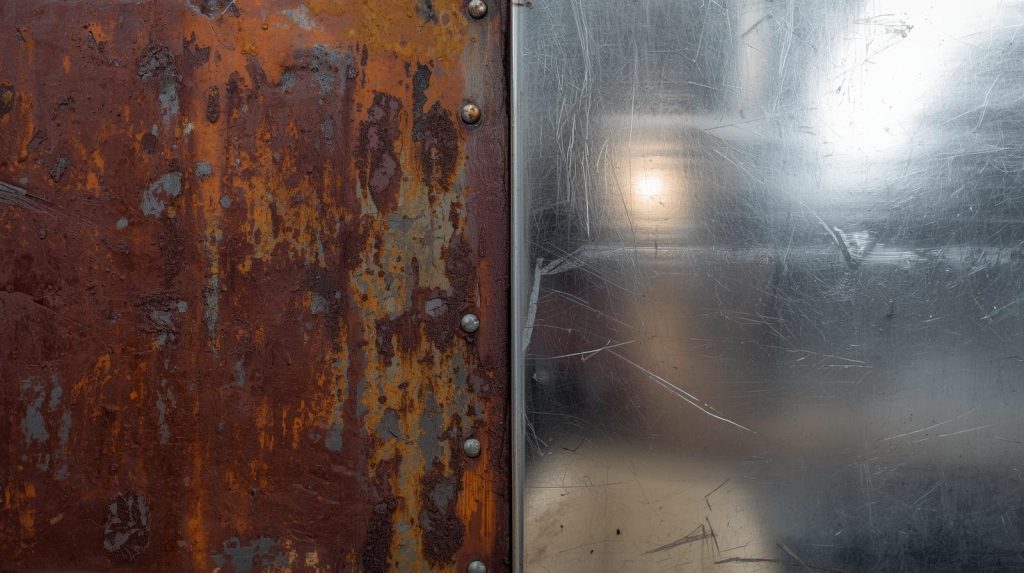
3. Clean the Metal You’re Welding
Stick welding can go through some crud, but not everything.
Remove:
- Rust
- Paint
- Oil
- Mill scale
- Moisture
A quick grind often fixes the issue instantly.
4. Check Your Rod Condition
Rod coatings go bad fast if stored wrong.
A rod won’t stay lit if it’s:
- Moist
- Old
- Cracked
- Swollen/flaky
Fix:
Try a fresh rod. Keep electrodes in sealed containers or rod ovens.
5. Use the Correct Polarity
Some rods need a specific polarity to stay lit.
General rule:
- 6011: AC or DC+
- 6013: AC or DC
- 7018: DC+ (AC version available)
- 7014: AC or DC
If you’re running 7018 on an AC buzzbox (non-AC rated rod), it’ll sputter and go out.
6. Adjust Your Rod Angle and Arc Length
Too long an arc = unstable and flickers out.
Too short = rod sticks and kills the arc.
Try this:
- Keep a 1/8″ gap (about the rod’s thickness)
- Use a 10–15° drag angle
- Maintain steady travel speed
If you’re “yo-yoing” the rod up and down, the arc won’t stay stable.
7. Check Your Welder Output
If your welder has internal issues, it may not hold an arc.
Signs of welder trouble:
- Fluctuating arc
- Fan not running
- Overheat light on
- Breaker trips at random
Usually rare, but worth checking after the basics.
Common Mistakes That Make a Rod Go Out
- Trying to weld through heavy rust/paint
- Not giving the rod enough amperage
- Weak ground clamp placement
- Using damp 6013 or 7018 rods
- Holding the arc too far away
- Dragging too slowly
- Wrong polarity on 7018
Most beginners underestimate just how important clean metal and strong grounding are.
Tools You’ll Need to Fix the Issue
- Stick welder (AC or DC)
- Wire brush
- Angle grinder with flap disc
- Fresh welding rods (6011, 6013, 7018)
- Ground clamp (good condition)
- Rod oven or dry container
- Welding gloves
- Auto-darkening helmet
- Chipping hammer
FAQ: Why Your Welding Rod Won’t Stay Lit
1. Why does my rod stick right when I touch the metal?
Your amperage is too low, or the rod angle is too steep. Turn up the amps and drag, don’t jab.
2. Can damp rods cause arc stability issues?
Absolutely. Damp rods are one of the biggest reasons 7018 refuses to stay lit.
3. Why does my arc keep breaking even though the rod is new?
Check your ground clamp and clean the metal. Bad grounding breaks arcs instantly.
4. Why does my AC welder struggle with 7018?
Standard 7018 needs DC+.
Use “7018AC” rods for AC machines.
5. Can dirty metal cause my arc to stop?
Yes. Dirt, rust, and paint interrupt conductivity. Clean a 1–2″ area before striking.
6. Why does the rod light but sputter and die?
Usually low amps, dirty metal, or poor grounding. Increase heat and clean surfaces.
Final Thoughts
If your rod won’t stay lit, don’t blame the welder right away.
In 90% of cases, it’s one of these three:
- Amps too low
- Ground not clean
- Rod or metal too dirty
Fix those basics, and the arc will hold steady.