
Quick Answer:
To calibrate your welding machine, you need to verify the output voltage, amperage, wire feed speed, and gas flow against accurate measuring tools, then adjust your machine so its readings match the actual output. Calibration ensures your welds stay consistent and your settings are truly what the screen says—not high, low, or drifting.
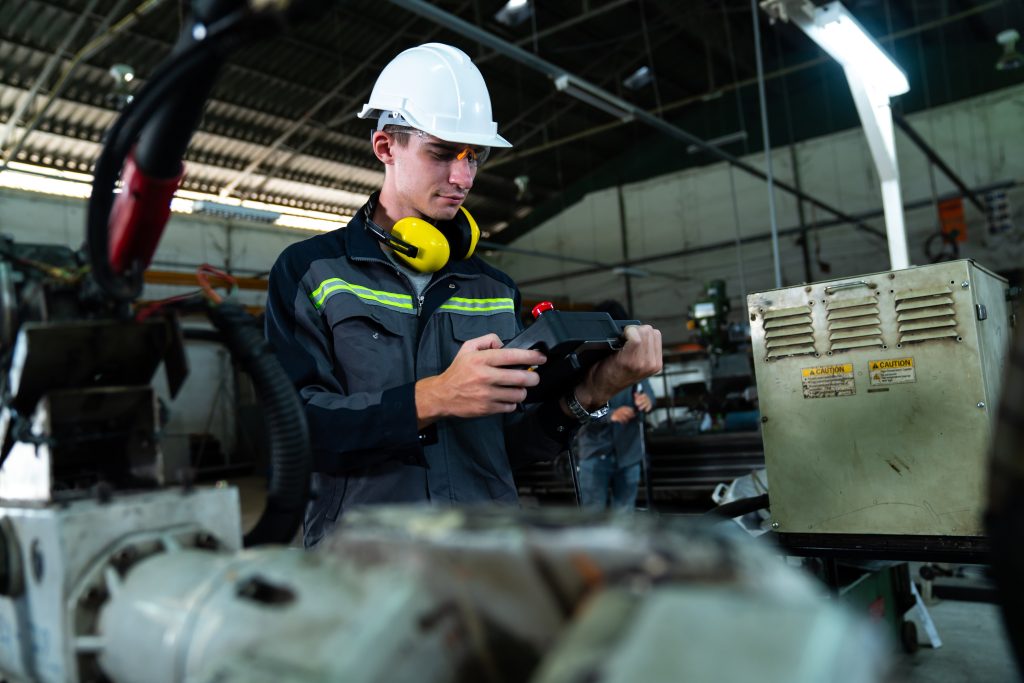
How to Calibrate Your Welding Machine – Full Practical Guide
Whether you’re MIG, TIG, or stick welding, a machine that’s out of calibration gives you headaches:
- Welds look different every day
- Voltage doesn’t match the panel
- Beads run too hot or too cold
- Weld consistency drops
- Certifications can fail inspections
The good news? Calibration is straightforward if you follow a proper step-by-step process.
Let’s break it down welding-shop style—simple, practical, and accurate.
Step-by-Step: How to Calibrate Your Welding Machine
1. Gather Your Measuring Tools
Before touching your welder, grab:
- True RMS multimeter (voltage & amperage)
- Clamp meter (for amperage under load)
- Tachometer (for wire speed on MIG machines)
- Flow meter (to verify actual gas flow)
- Load bank OR thick scrap steel for test welds
- Calibrated wire ruler (optional but useful)
These give you real readings so you can compare machine settings to actual output.
2. Turn Off the Machine & Inspect Cables
Loose, damaged, or corroded connections will ruin calibration.
Check:
- Ground clamp
- Electrode holder or TIG torch leads
- MIG gun liner condition
- Lugs + terminals
- Power cord connections
Fix: Clean corrosion, tighten loose lugs, and replace worn leads.
3. Calibrate Voltage Output
This is the biggest source of drift over time.
How to test it:
- Set your machine to a known voltage (example: 18.0 volts).
- Strike an arc (or activate test mode if your machine has it).
- Use your multimeter across the work clamp and electrode.
- Compare the display reading to your meter reading.
Fix if it’s off:
- Adjust your machine’s calibration settings (usually hidden in the service menu).
- Some machines require internal potentiometer adjustment—check the manual.
- If it’s way off, the control board may need service.
4. Calibrate Amperage Output
Current output matters most for TIG and Stick.
How to test it:
- Set your amperage to something stable (ex: 90 amps).
- Weld on thick scrap or attach to a load bank.
- Use a clamp meter on the output lead.
- Compare actual amperage vs displayed amperage.
Fix if readings don’t match:
- Adjust calibration in the machine’s settings.
- Check for resistor wear or loose connections in the power board.
- Replace worn torch leads—they add resistance and lower real output.
5. Calibrate Wire Feed Speed (MIG Only)
WFS is the most commonly “off” setting on MIG welders.
How to test it:
- Set wire feed to a known value (ex: 250 inches per minute).
- Hold the trigger for 6 seconds.
- Measure wire length and multiply by 10 (converts to IPM).
- Example: 25 inches in 6 seconds → 250 IPM
Fix if it’s off:
- Tighten or adjust drive rolls
- Replace worn liners
- Clean rollers
- Recalibrate WFS in the machine menu (newer welders)
6. Verify Gas Flow (MIG & TIG)
Your machine’s built-in gas gauge might be lying.
Test it with a flow meter:
- Set machine to 20 CFH.
- Clip your flow meter to the MIG gun or TIG torch.
- Pull the trigger or start gas flow.
- Compare actual flow to panel reading.
Fix if it’s off:
- Replace bad regulators
- Fix leaks at torch or hose
- Tighten fittings
- Replace worn O-rings
7. Store Calibration Results
Always log the following:
- Actual voltage
- Actual amperage
- Actual wire speed
- Actual gas flow
- Date of calibration
- Any adjustments made
Shops require this for certification, and it keeps your machine consistent year-round.
Common Calibration Mistakes (And How to Fix Them)
1. Calibrating with dirty clamps or bad connections
This gives false readings.
Fix: Clean every contact point first.
2. Not using a True RMS multimeter
Cheap meters can be off by 10–15%.
Fix: Use a reliable meter.
3. Testing without a stable arc
Wavy arc = useless readings.
Fix: Use thicker metal or a load bank for stable output.
4. Skipping wire drive maintenance
Dirty rollers = bad WFS.
Fix: Clean and tighten drive rolls before measuring.
5. Using too long of an extension cord
It reduces real output from the wall.
Fix: Plug directly into a dedicated circuit.
6. Ignoring machine warm-up
Cold machines give inaccurate readings.
Fix: Run your welder for 10 minutes before calibration.
Tools Needed for Welding Machine Calibration
Measuring Tools
- True RMS multimeter
- Clamp meter
- Non-contact tachometer
- Gas flow tester
- Tape measure or wire ruler
Welding Tools
- Load bank (optional)
- Thick steel plate for stable test welds
- Clean ground clamp
- Fresh wire or electrodes
Maintenance Items
- Contact cleaner
- Wire brush
- Replacement liners
- O-rings and seals
Safety Gear
- Gloves
- Safety glasses
- FR jacket or sleeves
- Ear protection
FAQ: How to Calibrate Your Welding Machine
1. How often should I calibrate my welder?
For home use: once a year
For shop or certified work: every 6 months
2. Why does my voltage fluctuate while welding?
Usually caused by:
- Loose connections
- Bad ground
- Dirty wire rollers
- Damaged torch leads
- Bad control board
3. Can I calibrate my welder without a load bank?
Yes—thick scrap steel works fine for most DIY calibrations.
4. Do inverter welders need more frequent calibration?
Yes. Their electronics drift over time more than transformer-based machines.
5. What’s the #1 sign your machine is out of calibration?
Your welds look different using the same settings you’ve always used.
6. Should I recalibrate after replacing liners, guns, or leads?
Yes. Anything that changes resistance affects actual output.
7. Can I calibrate a welder that has no digital display?
Absolutely—calibrate by measuring voltage and amperage directly during welding.
Final Thoughts
A well-calibrated welding machine is consistent, predictable, and easier to dial in. Whether you’re MIG, TIG, or stick welding, taking the time to verify your voltage, amperage, wire speed, and gas flow saves you from bad welds and expensive rework.