
Quick Answer:
For most root passes using 6010 rod, the best starting settings are:
- Amperage:
- 1/8″ 6010: 75–90 amps
- 3/32″ 6010: 55–70 amps
- Polarity: DCEP (reverse polarity)
- Arc Length: Tight, almost touching the bevel
- Travel Speed: Slow enough to key-hole, fast enough not to blow out
- Technique: Whip-and-pause or steady push depending on joint fit-up
These settings work for root passes on pipe, plate, and open-butt welds.
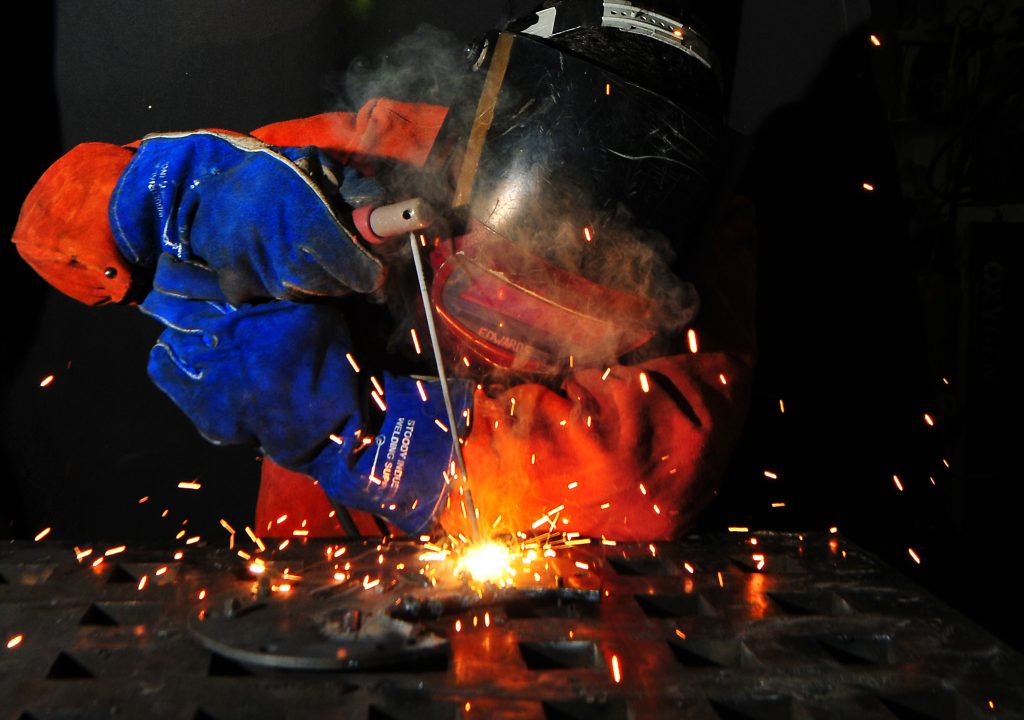
What Makes 6010 Perfect for Root Passes?
6010 is a deep-penetrating, fast-freezing rod. That makes it great for:
- Dirty, rusty, or less-than-perfect metal
- Open-root joints where penetration matters
- Fast travel speed and strong fusion
- The “keyhole” control you need for pipeline-style roots
If you know how to read the puddle, 6010 will reward you with a tight, strong root.
Best 6010 Settings for Root Passes (Detailed Breakdown)
1. Amperage Settings
| Rod Size | Best Amp Range | Notes |
|---|---|---|
| 3/32″ | 55–70 A | Good for thin wall or tight gaps |
| 1/8″ | 75–90 A | Most common for pipe roots |
| 5/32″ | 110–130 A | Heavy wall, wide open roots |
Tip:
If your puddle is too runny → amperage too high.
If your rod sticks constantly → amperage too low.
2. Polarity (Critical)
6010 must run on:
👉 DCEP – Direct Current Electrode Positive
This gives you deeper penetration and a hotter arc.
Running 6010 on DCEN or AC won’t give you the right arc force.
3. Arc Length
Keep it tight — almost scraping the metal.
Too long an arc will:
- Blow out the keyhole
- Make the puddle unstable
- Produce spatter and undercut
For roots, think “tight arc and steady hand.”
4. Travel Speed
Your goal is to maintain a controlled keyhole — not too big, not too small.
- Keyhole collapsing → slow down or raise heat slightly
- Keyhole blowing open → speed up or drop heat
If it sounds like frying bacon and the keyhole is stable, you’re on point.
5. Technique for Root Passes
Most welders use one of these:
Whip-and-Pause
- “Whip” forward to open the keyhole
- “Pause” to fill and freeze
- Repeat in a rhythm
Best for:
- Open root pipe
- Bad fit-ups
- Wide gaps
Steady Push
- Short arc
- Gentle forward movement
- Small side-to-side motion
Best for:
- Tight fit-ups
- Thin-wall pipe
- Anywhere a big keyhole isn’t needed
🔧 Step-by-Step Fixes for Common 6010 Problems
Problem 1: Keyhole Blowing Out
Fix:
- Drop amperage 5–10 amps
- Speed up slightly
- Tighten your arc
- Reduce whip distance
Problem 2: Rod Keeps Sticking
Fix:
- Increase amps by 5 amps
- Shorten arc length
- Change angle to 5–10° push
Problem 3: Root Too High / No Penetration
Fix:
- Increase amps slightly
- Whip forward more
- Keep puddle open longer
Problem 4: Undercut on the Bevel
Fix:
- Slow down
- Shorten arc
- Lower amps
Problem 5: Root Sags or Drops Out
Fix:
- Lower heat
- Pause longer
- Reduce arc length
- Use smaller rod if needed (drop to 3/32”)
🛠️ Tools You’ll Need for a Clean 6010 Root
- Stick welder with DCEP capability
- 6010 electrodes (3/32″ or 1/8″)
- Chipping hammer
- Wire brush
- Grinder with flap disk
- Pipe stands or clamps
- Welding hood (auto-dark preferred)
- Leather gloves & jacket
Good prep = better root.
❌ Common Mistakes When Running 6010 Roots
1. Too Much Arc Length
This will kill your root faster than anything.
2. Running on the Wrong Polarity
Must be DCEP — stick with it.
3. Whipping Too Far Forward
Creates big keyholes that collapse.
4. Not Cleaning the Bevel
Even though 6010 handles dirt better, clean metal always welds better.
5. Moving Too Slow
This creates excessive buildup or drop-out.
6. Pushing Too Hard
You can push or drag slightly, but don’t force the rod into the puddle.
❓ FAQ: Best 6010 Settings for Root Passes
What’s the best amperage for 1/8” 6010 root passes?
75–90 amps on DCEP — adjust based on gap and wall thickness.
Can you use 3/32” 6010 for roots?
Yes — 55–70 amps works great for thin-wall or tight gaps.
Should you drag or whip 6010?
For roots, whip-and-pause is most common.
But a steady push also works with tight fit-ups.
Why is my 6010 keyhole too big?
Heat is too high or arc is too long. Lower amps and tighten the arc.
Why is my rod sticking?
Usually amperage is too low or arc length is too short. Bump the amps slightly.
Can you run 6010 on AC?
Not recommended — most 6010 rods won’t behave right on AC.
What angle do I use?
A slight 5–10° push angle keeps the keyhole stable and the root even.
Final Advice From One Welder to Another
6010 roots aren’t about memorizing settings — they’re about controlling the keyhole.
Your amperage, travel speed, gap, and technique all work together.
Once you learn to read the puddle, you’ll run 6010 like it’s second nature.
If you want, I can also write articles on:
- Best 6011 Settings for Beginners
- How to Run a Perfect 7018 Cap
- Best Root Pass Techniques for Pipe Welding
- 6010 vs 6011 for Root Passes
Just tell me what you want next!